
By Chris Mayer, Hardscape Manager
As I walked down the familiar brick streets of Old Town Alexandria, a wave of reflection came over me. How many footsteps have echoed along these paths? How many conversations, joyful reunions, and hurried commutes have played out above this very ground? How many businesses have risen and fallen? How many generations have passed, never noticing the humble foundation beneath their feet: a simple, fired piece of clay.
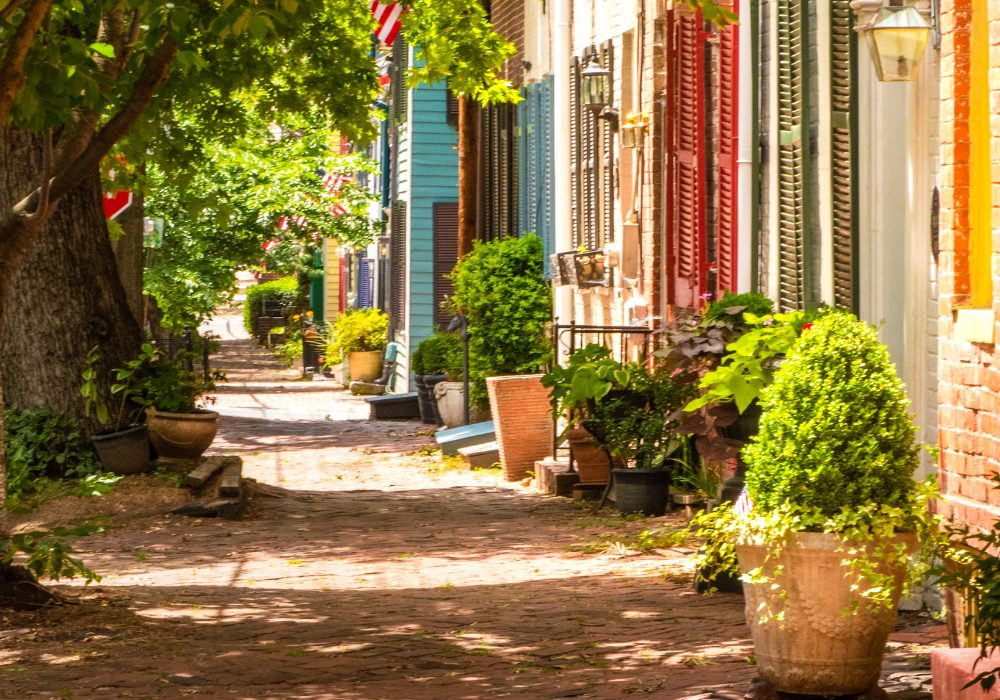
I’ve spent 20 years in the hardscaping trade—a journey that’s exposed me to countless materials and techniques. You’re told not to have favorites like a parent with many children. But as I learned the nuances of the craft and handled a wide range of products, I developed a quiet admiration for clay pavers. Their inherent simplicity, warm, earthy tones, and timeless aesthetic captivated me.
Sometimes, I like revisiting projects years later, and with clay pavers, it’s often a surreal experience. I find myself double-checking dates, convinced I must have the timeline wrong. These installations seem almost untouched by time—their character doesn’t fade. It only deepens with each passing season.
I once heard someone remark that innovating in the brick industry is like trying to turn a cruise ship in a bathtub—a nod to the industry’s deep-rooted traditions and the craft’s meticulous nature. But perhaps it’s this very deliberate pace, this resistance to fleeting trends, that makes clay pavers so enduringly perfect.
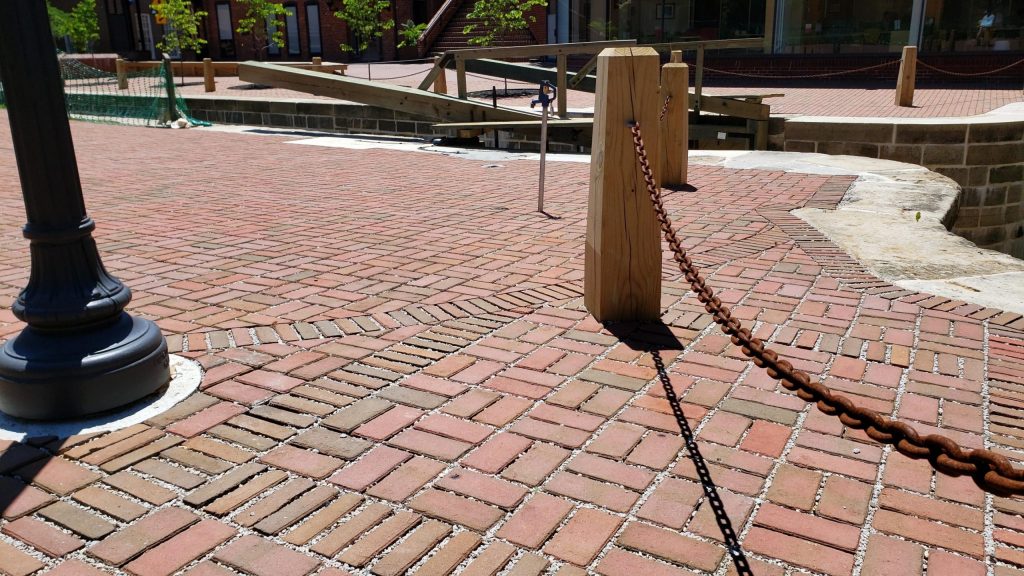
The recipes for these pavers are often centuries old, made from raw materials that have been millions of years in the making. There’s a palpable sense of pride among those who craft them—a commitment to doing the job right to preserve the product’s authenticity. While the brick industry has faced evolutionary challenges, I’ve seen meaningful progress. From subtle shifts in color palettes to new sizes and innovative designs, clay pavers continue to adapt without ever losing their fundamental integrity.
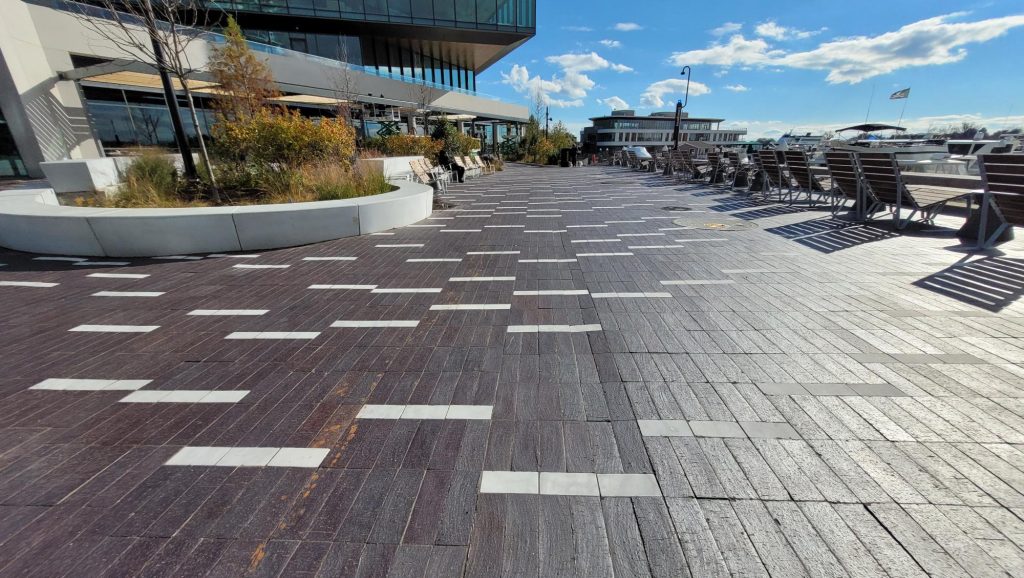
For many, clay pavers evoke the image of a traditional red brick in a standard modular size. While that remains a timeless choice, the range of possibilities has expanded beautifully. Today, clay pavers are available in sophisticated light grays, deep blacks, warm beiges, rich dark browns, and every shade in between. Sizes have also evolved, with 8×8 and elegant 4×12 options, often combined to create intricate and visually striking patterns. And the best part? These diverse options still rest upon a foundation of enduring color and unmatched durability.
The next time you walk down a street—the historic avenues of Old Town Alexandria or a path closer to home—take a moment to look down. Notice what lies beneath your feet. You might discover the quiet strength and timeless beauty of a simple, fired piece of clay—a silent witness to the ebb and flow of life, grounding the stories of yesterday and footsteps of today. Because it’s more than just a surface—it’s history, craftsmanship, and character in every step.